How Texas Defines Manufacture of a Controlled Substance
Under Texas Health and Safety Code Section 481.002, manufacture can include production, preparation, propagation, compounding, conversion, processing, packaging, repackaging, labeling, or relabeling of a controlled substance. The statutory definition excludes marihuana.
Section 481.112 addresses knowingly manufacturing, delivering, or possessing with intent to deliver a substance in Penalty Group 1. Separate provisions govern substances in Penalty Groups 1-A, 1-B, 2, and 2-A. Although one charging section may cover several types of conduct, making or processing a substance is factually distinct from delivering it or possessing it with intent to deliver.
What Determines the Potential Penalties?
A drug manufacturing allegation doesn’t carry a single punishment range. The potential offense level depends on the charging section, controlled substance penalty group, alleged quantity, prior history, and other facts specified by law.
Factors that may affect the charge or potential punishment include:
- Substance classification: Texas assigns controlled substances to different penalty groups.
- Aggregate weight: This generally includes the total weight of the material, including adulterants or dilutants as provided by Texas law.
- Measurement method: Some controlled substances are measured by abuse units rather than aggregate weight.
- Additional allegations: Certain statutes address a child’s presence on the premises or a death or serious bodily injury attributed to the substance.
- Chemical precursors: Possessing or transporting specified precursor chemicals with intent to manufacture unlawfully can support a separate charge.
Under Section 481.112, an allegation involving a Penalty Group 1 substance can range from a state jail felony to a first-degree felony, depending largely on aggregate weight. Determining the applicable punishment range requires reviewing the exact statute and facts alleged in the charging documents.
What a Defense Review May Examine
A defense review may begin with the legal basis for the stop, detention, warrant, consent, or search. Search and seizure issues can affect whether investigators lawfully obtained materials from a residence, vehicle, container, phone, or other location.
Counsel may also review police reports, warrant materials, laboratory information, photographs, videos, witness accounts, and statements attributed to the accused. Other questions include how seized materials were identified and handled and what evidence allegedly connects the accused to equipment, chemicals, packaging, or a finished substance.
Although Texas defines manufacture broadly, the State must still prove the charged conduct and required mental state. Merely being present at a location, knowing another person, or having access to property isn’t automatically the same as knowingly manufacturing a controlled substance.
College Station Felony Cases in Brazos County Courts
Brazos County District Courts have original jurisdiction over felony criminal cases. The county has four District Courts, and local rules generally place felony charges and related misdemeanors in those courts.
The Brazos County District Attorney’s Office represents the State of Texas in the District Courts and prosecutes felonies at the trial level. Court assignment and scheduling depend on the charging documents, the status of the case, and applicable local rules.
Discuss Your College Station Drug Manufacturing Charge
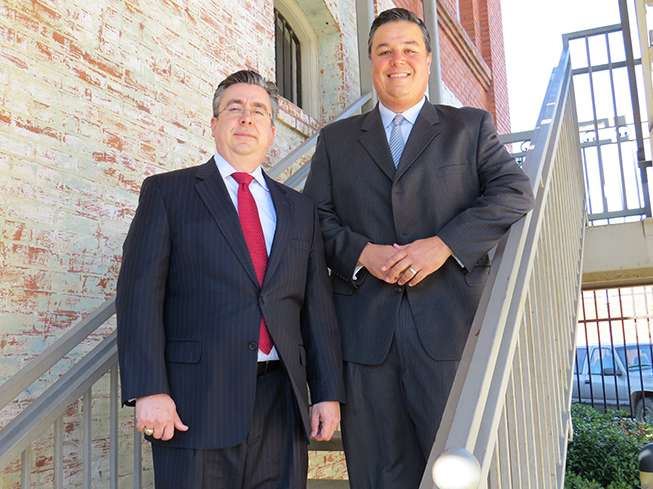
Our attorneys provide confidential, plain-language guidance informed by familiarity with Brazos County courts. We communicate with clients in English or Spanish and can explain the allegations, court obligations, and practical next steps.
A free consultation can address the filed charge, upcoming court dates, contact with law enforcement, and documents or other information you should preserve for counsel. We’re available 24 hours a day for criminal defense calls.
Call (979) 559-3599 to speak with Rodriguez & Gimbert P.L.L.C. about your defense.